


SUMMARY: Every healthcare organization wants better staffing outcomes: fewer surprises, less overspend, smoother schedules, and more predictable coverage. But the organizations that consistently achieve these results aren’t doing it because they have more people, more resources, or more budget. They operate differently.
High-performing workforce teams share a set of habits that give them the clarity, alignment, and predictability most organizations only talk about. These habits aren’t lofty ideals — they’re practical ways of working that reduce complexity and prevent drift.
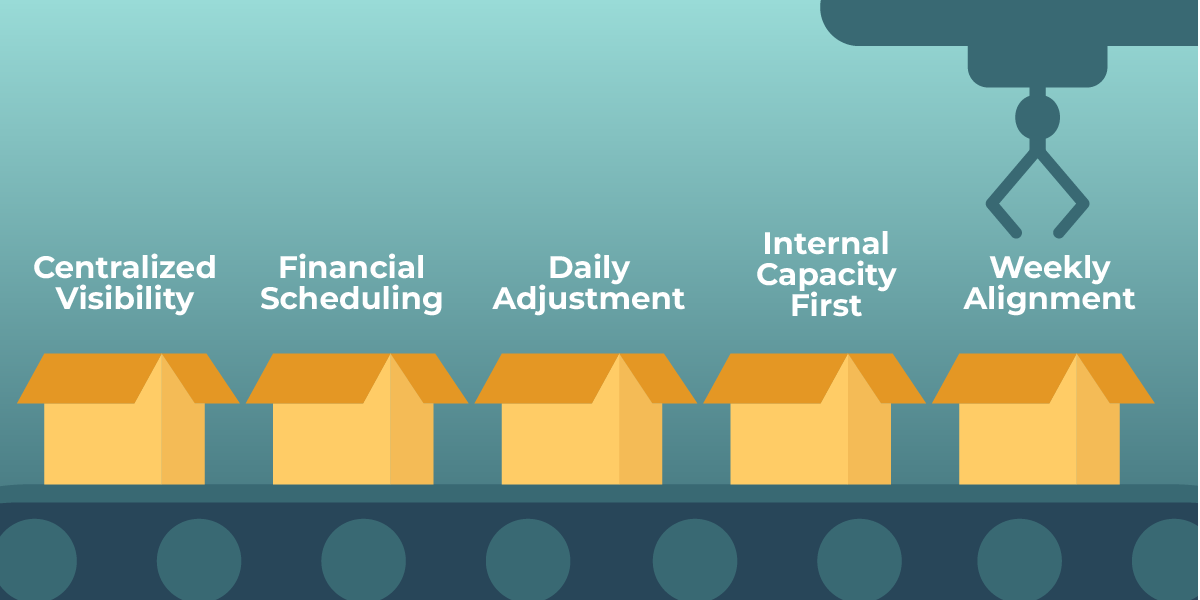
This post breaks down the five operational habits that separate the most effective workforce teams from the rest, and why adopting them leads to stronger financial, clinical, and staffing outcomes.
1. They Centralize Visibility Instead of Piecing It Together
Average teams rely on siloed systems, static reports, and manual checks across:
- Scheduling
- Credentialing
- Payroll
- Agency logs
- Availability spreadsheets
- Provider emails
- HR updates
High-performing teams don’t hunt for staffing truth, they consolidate it. They work from a shared view where:
- Internal and external staffing are visible together
- Credentialing status flows directly into eligibility
- Availability reflects real-time updates
- Cost impact is tied to coverage choices
- Agency usage is tracked alongside internal deployment
Because they aren’t reconciling seven sources of information, they spend more time making decisions and less time looking for data.
Visibility isn’t a project. It’s a habit.
2. They Treat Scheduling as Financial Strategy, Not Administrative Task
In lower-performing organizations, scheduling is viewed as logistics:
- Fill gaps
- Confirm shifts
- Send updates
- React to changes
In high-performing organizations, scheduling is treated as a financial lever.
Schedulers work with operations and finance daily, not quarterly, and they understand:
- The cost impact of each coverage choice
- Where internal deployment can prevent external spend
- When demand patterns require additional internal coverage
- How to balance workload to avoid overtime and burnout
The shift is simple but transformative: scheduling is not the last step in staffing. It’s where cost, capacity, and coverage come together.
3. They Don’t Rely on Monthly Reporting. They Course-Correct Daily.
Most organizations discover staffing problems weeks or months after they’ve already caused damage. High-performing teams operate in tighter cycles. They monitor:
- Workload balance
- Credentialing progress
- Internal vs. external usage
- Agency cost trends
- Upcoming demand spikes
- Utilization drift
- Onboarding readiness
And they take action immediately, not after the quarter closes. The difference is cadence: lower-performing teams react to the past; high-performing teams manage in the present.
4. They Use Internal Capacity Before External Labor Because They Can See It
An organization doesn’t overuse external labor because it wants to. It happens because internal capacity is hidden, fragmented, or slow to surface. High-performing teams maintain clear, accurate visibility into:
- Who is eligible
- Who is truly available
- Who can flex to another site
- Who is underutilized
- Who is newly ready to work
- Who is overextended
Because internal options are obvious, they are used first. This alone dramatically reduces:
- Agency spend
- Premium shifts
- Overtime
- Unnecessary locum coverage
The habit isn’t just cost-conscious — it’s operationally stabilizing.
5. They Keep Finance, Operations, and Clinical Leadership Aligned Every Week
In many organizations, these groups don’t see the same data until something goes wrong.
High-performing teams build alignment into their rhythm:
- Shared dashboards
- Shared readiness updates
- Shared cost visibility
- Shared assumptions
- Shared risk indicators
- Shared internal-versus-external comparison
- Shared decisions
Because everyone is solving the same staffing picture, there’s less friction, faster action, and fewer surprises. Alignment isn’t an outcome. It’s a practice.
Why These Habits Matter
These five habits create compounding advantages:
- Fewer last-minute coverage gaps
- Lower external labor demand
- More predictable staffing spend
- Balanced provider workloads
- Shorter onboarding-to-scheduling timelines
- Clearer staffing assumptions across the organization
- Better provider experience
- Stronger operational control
High-performing teams aren’t lucky. They’re consistent. They make staffing a connected, continuous, real-time discipline and not a patchwork of disconnected tasks.
How Kimedics Fits Into These Habits
Kimedics supports high-performing teams by giving them the structure, visibility, and workflows needed to sustain these habits every day. With Kimedics, organizations can:
- Unify internal and external staffing data
- Clarify eligibility, readiness, and availability
- Connect scheduling to cost and agency decisions
- Identify internal capacity before using external resources
- Monitor utilization and workload balance continuously
- Keep finance, operations, and clinical leadership aligned
- Reduce drift and prevent unnecessary spend
Kimedics doesn’t replace your team’s effort — it strengthens it by giving everyone the same staffing truth.
Want to build the habits of a high-performing workforce team?
Request a Demo
Learn more about Kimedics
Kimedics is a provider utilization management platform. We help healthcare organizations gain visibility across internal and external staffing to reduce complexity and improve financial performance. For more information, book a demo or email kimedics@kimedics.com